

Employers must make sure employees get immediate help if taken ill or injured at work.
The law applies to every workplace and to the self-employed.
You must have:
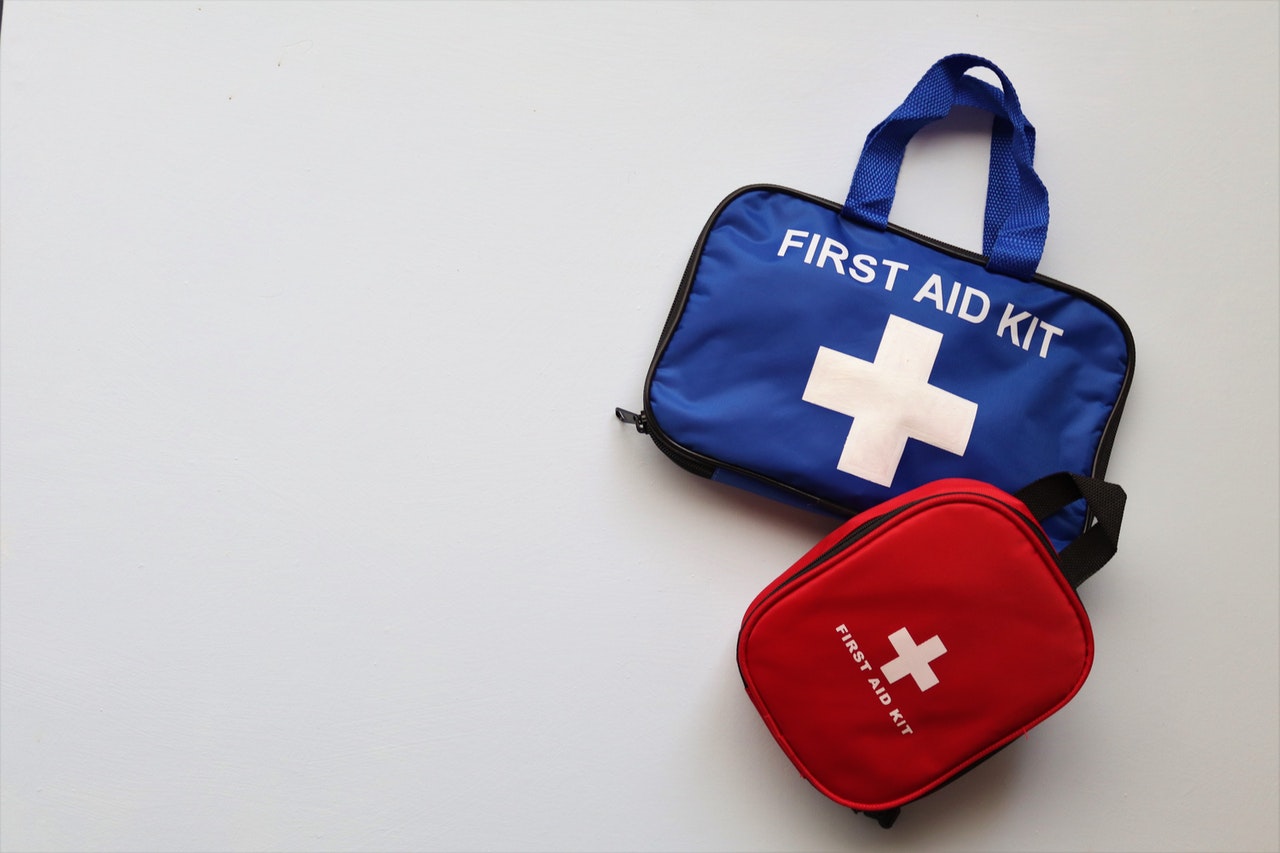
- a suitably stocked first aid kit
- an appointed person or people to take charge of first aid arrangements
- information for all employees telling them about first aid arrangements
Appoint someone to take charge of first aid
An appointed person is someone who is in charge of your first aid arrangements. This includes looking after the equipment, facilities and calling the emergency services.
You can have more than one appointed person and they don’t need to have any formal training.
An appointed person must always be available whenever people are at work.
First aid for homeworkers and co-working spaces
If your work is low-risk, such as desk-based work and you work in your own home, you don’t need any first aid equipment beyond normal domestic needs.
If your work involves lots of driving, you may want to keep a first aid kit in your vehicle.
If you’re self-employed and based in a co-working space (shared workspace with other self-employed or employed workers) you’re legally responsible for your own first aid provision. However, you can make joint arrangements with the other occupiers. Usually, in a written agreement, one employer takes responsibility for first aid for all workers on the premises.

Assess your first aid needs
What ‘adequate and appropriate’ first aid arrangements are depends on the work you do and where you do it. You’re best placed to understand the nature of your work, so you should assess what your first aid needs are.
What to put in a first aid kit
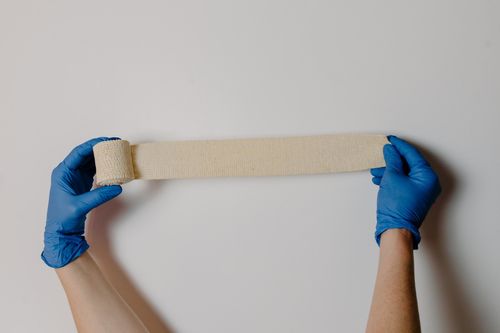
The contents of your first aid kit should be based on your first aid needs assessment.
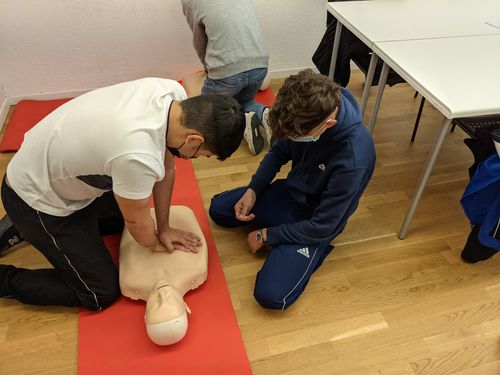
First aiders and training
You might decide that you need someone trained in first aid, sometimes known as a first aider.
You must consider:
- the type of the work you do
- hazards and the likely risk of them causing harm
- the size of your workforce
- work patterns of your staff
- holiday and other absences of those who will be first aiders and appointed persons
- the history of accidents in your business
You might also consider:
- the needs of travelling, remote and lone workers
- how close your sites are to emergency medical services
- whether your employees work on shared or multi-occupancy sites
- first aid for non-employees including members of the public
You don’t have to write down your findings, but if you do, it will allow you to record how you’ve decided on your first aid arrangements.
Content provided by the Health and Safety Executive.
HSE aims to reduce work-related death, injury and ill health.
Published on Thu, 28 Jan 2021 15:03:48 GMT
Modified on Fri, 11 Feb 2022 15:26:13 GMT
The contents of your first aid kit should be based on your first aid needs assessment. As a guide, where work activities are low-risk (for example, desk-based work) a minimum first aid kit might contain:
- a leaflet with general guidance on first aid (for example, HSE’s leaflet Basic advice on first aid at work
- individually wrapped sterile plasters of assorted sizes
- sterile eye pads
- individually wrapped triangular bandages, preferably sterile
- safety pins
- large and medium-sized sterile, individually wrapped, unmedicated wound dressings
- disposable gloves
This is a suggested contents list.
If you are buying a kit look for British Standard (BS) 8599. By law, your kit doesn’t have to meet this standard but you should check it contains what you’ve identified in your needs assessment.
Maintaining or replacing contents of a first aid kit
Check your kit regularly. Many items, particularly sterile ones, are marked with expiry dates. Replace expired items, disposing of them safely. If a sterile item doesn’t have an expiry date, check with the manufacturer to find out how long it can be kept. For non-sterile items without dates, you should check that they are still fit for purpose.
Content provided by the Health and Safety Executive.
HSE aims to reduce work-related death, injury and ill health.
Published on Thu, 28 Jan 2021 15:09:31 GMT
Modified on Fri, 11 Feb 2022 12:23:29 GMT
You might decide that you need someone trained in first aid, sometimes known as a first aider.
There are no hard and fast rules on how many trained first aiders you should have. It depends on the nature of your work and its location.
First aiders are trained by a competent training provider in:
- emergency first aid at work (EFAW) – at this level they’re qualified to give emergency first aid to someone who is injured or becomes ill while at work
- first aid at work (FAW) – qualified to EFAW level but can also apply first aid to a range of specific injuries and illnesses
First aid training
Use the findings of your first aid needs assessment to decide:
- if you need someone trained in first aid
- what’s an adequate and appropriate level of training
- how many people you train
- Keep training up to date with regular refresher courses.
HSE approved first aid training
The only first aid training HSE approves is for specialists on offshore installations.
Finding the right first aid training for your workplace
You’re responsible for making sure whoever trains your employees is competent.
There are four types of provider to choose from. They offer:
- regulated qualifications from an awarding organisation (AO) – these are recognised and regulated by Ofqual, the Scottish Qualifications Authority (SQA) or the Welsh Government
- voluntary approval schemes, such as a trade body accredited by a third party – the United Kingdom Accreditation Service (UKAS) is the national accreditation body recognised by government
- independent training where the provider can prove their competence
- training from one of the three Voluntary Aid Societies recognised by the government:
- St John Ambulance
- British Red Cross
- St Andrew’s First Aid
Content provided by the Health and Safety Executive.
HSE aims to reduce work-related death, injury and ill health.
Published on Thu, 28 Jan 2021 15:16:14 GMT
Modified on Thu, 03 Mar 2022 12:23:55 GMT
Content provided by the Health and Safety Executive.
HSE aims to reduce work-related death, injury and ill health.
Published on Thu, 28 Jan 2021 14:58:15 GMT
Modified on Wed, 16 Feb 2022 17:00:35 GMT