

By the age of 12 to 14, most children have lost all their baby teeth and have their adult teeth.
There are 32 adult teeth in total – 12 more than in the baby set. The last 4 of these, called wisdom teeth, usually emerge later than the others, generally between the ages of 17 and 21.
Wisdom teeth that don’t come through properly, or at all, can be painful and may need to be removed.
Lifestyle tips of healthy teeth
Taking care of your general health and your mouth is the key to making the most of your smile.
Brushing your teeth twice a day (last thing at night before you go to bed and on 1 other occasion) with fluoride toothpaste and having regular check-ups with a dentist can help to keep your teeth healthy.
Diet, smoking and drinking alcohol also have an effect on dental health.
A healthy diet is good for your teeth
What you eat and drink can cause tooth decay, so a healthy diet is important for your teeth.
A balanced diet includes plenty of fruit and vegetables, as well as starchy foods, such as bread, rice, potatoes and pasta (choose wholegrain versions and eat potatoes with their skin where possible).
You should also eat sources of protein, such as meat, fish, eggs, beans or other non-dairy sources of protein, and some milk and dairy foods (ideally lower fat options).
Only eat small amounts of food and drinks high in fat and sugar. The Eatwell Guide shows how the different types of food should make up your diet.

Reduce sugar to prevent tooth decay
Limiting the amount of sugar you eat and drink is important to prevent tooth decay.
A lot of the sugars we eat and drink are in food and drinks such as:
- sweets, chocolate, cakes and biscuits
- sugary drinks, including soft drinks, fizzy drinks, milky drinks with added sugar, and alcohol
- fruit juice, including unsweetened fresh fruit juice and smoothies
- buns, pastries and fruit pies
- sponge puddings and other puddings
- table sugar added to food or drinks, such as tea
- sugary breakfast cereals
- jams, marmalades, honey and syrups
- ice cream and sorbets
- dried fruit or fruit in syrup
- syrups and sweet sauces
Stick to 1 glass of fruit juice or smoothie a day
Sugars occur naturally in foods such as fruit and milk, but we don’t need to cut down on these types of sugars.
But when fruit is juiced or blended, as in smoothies, the sugars are released from the structure of the fruit.
Once released, these sugars can damage your teeth, so it’s best to drink fruit juice or smoothies at mealtimes.
Your combined total of drinks from fruit juice, vegetable juice and smoothies shouldn’t be more than 150ml a day, which is a small glass.
For example, if you have 150ml of orange juice and a 150ml smoothie in 1 day, you’ll have exceeded the recommendation by 150ml.
Foods and drinks can stain your teeth
Wine, cigarette smoke, tea and coffee are all teeth-staining culprits. Keep them to a minimum to stop your teeth becoming stained.
Your dentist or hygienist can give your teeth a professional clean, which may help reduce the staining.
If you want to find out about other options, such as teeth whitening, have a chat with your dentist.
How smoking damages teeth
Smoking can stain your teeth yellow, cause bad breath, and increases your risk of gum disease, as well as causing many other serious health problems.
Alcohol and oral health
Alcohol can also erode the outer surface of the teeth, leading to a loss of enamel. If this happens, you may need to go to the dentist for a filling.
Drinking too much has also been linked to an increased risk of developing mouth cancer.
The most important risk factors for mouth cancer are the combined effect of smoking and drinking alcohol.
It’s estimated that heavy drinkers and smokers have a 38 times increased risk of developing mouth cancer than people who neither drink nor smoke.
More advice:
How to keep your teeth clean
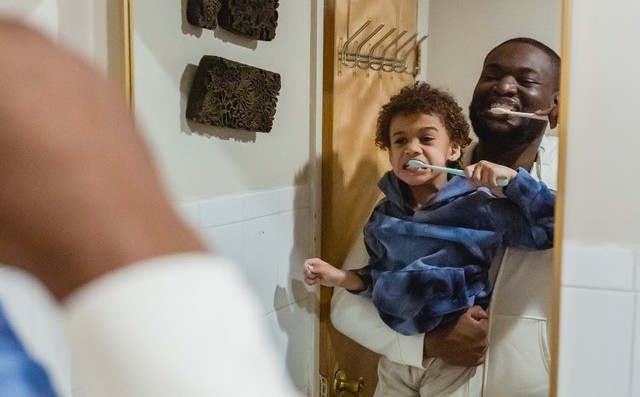
Brush your teeth with fluoride toothpaste twice a day for about 2 minutes to help keep your teeth and mouth healthy.
Plaque is a film of bacteria that coats your teeth if you don’t brush them properly. It contributes to gum disease and tooth decay.
Tooth brushing stops plaque building up. Try to make sure you brush every surface of all your teeth.
When should I brush my teeth?
Brush your teeth for about 2 minutes last thing at night before you go to bed and on 1 other occasion every day.
Your dentist or hygienist may give you more advice based on your own dental health and needs.
Should I use an electric or manual toothbrush?
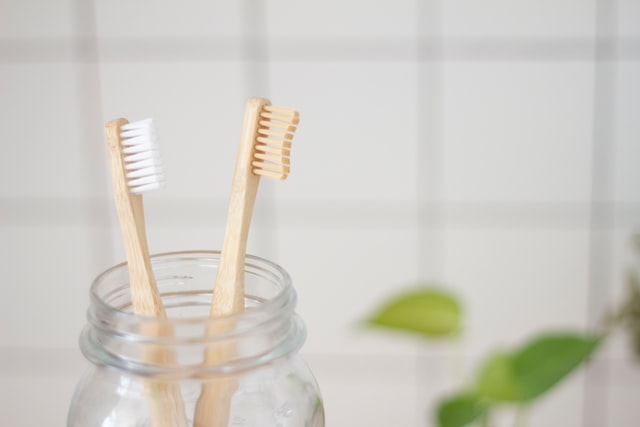
It doesn’t matter whether you use an electric or manual toothbrush.
They’re both equally good, as long as you brush all the surfaces of all your teeth and you use fluoride toothpaste.
But some people find it easier to clean their teeth thoroughly with an electric toothbrush.
What should I look for in a toothbrush?
For most adults, a toothbrush with a small head and a compact, angled arrangement of long and short round-end bristles is fine. Medium or soft bristles are best for most people.
If you’re using an electric brush, one with an oscillating or rotating head may work better than a manual toothbrush.
But making sure you thoroughly clean your teeth at least twice a day is more important than the type of brush you use. If in doubt, ask your dentist.
What type of toothpaste should I use?
It’s important to use a toothpaste with the right concentration of fluoride.
Check the packaging to find out how much fluoride each brand contains.
- Adults should use a toothpaste that contains at least 1,350 parts per million (ppm) fluoride.
- Children don’t need to use special children’s toothpaste. Children of all ages can use family toothpaste, as long as it contains 1,350 to 1,500ppm fluoride.
Children aged 6 and under who don’t have tooth decay can use a lower strength children’s toothpaste, but make sure it contains at least 1,000ppm fluoride. - Children under the age of 3 should use just a smear of toothpaste. Children aged 3 to 6 years should use a pea-sized blob of toothpaste. Make sure children don’t lick or eat toothpaste from the tube.
Your dentist may advise you or your child to use a toothpaste with a higher concentration of fluoride, if you need it. Get tips on brushing children’s teeth
How to brush your teeth
Make sure you brush all the surfaces of all your teeth, which should take about 2 minutes.
Remember to brush the inside surfaces, outside surfaces and the chewing surfaces of your teeth.
Don’t rinse with water straight after toothbrushing
After brushing, spit out any excess toothpaste.
Don’t rinse your mouth immediately after brushing, as it’ll wash away the concentrated fluoride in the remaining toothpaste.
This dilutes it and reduces its preventative effects.
Should I use mouthwash?
Using a mouthwash that contains fluoride can help prevent tooth decay, but don’t use mouthwash (even a fluoride one) straight after brushing your teeth or it’ll wash away the concentrated fluoride in the toothpaste left on your teeth.
Choose a different time to use mouthwash, such as after lunch.
Don’t eat or drink for 30 minutes after using a fluoride mouthwash.
How to use dental floss
Flossing isn’t just for dislodging food wedged between your teeth.
Regular flossing may also reduce gum disease and bad breath by removing plaque that forms along the gum line.
It’s best to floss before brushing your teeth.
- Take 12 to 18 inches (30 to 45cm) of floss or dental tape and grasp it so you have a couple of inches of floss taut between your hands.
- Slip the floss or dental tape between the teeth and into the area between your teeth and gums, as far as it’ll go.
- Floss with 8 to 10 strokes, up and down between each tooth, to dislodge food and plaque.
Read about why it’s important to floss.
How to use interdental brushes
You can use interdental brushes or single-tufted brushes instead of flossing, especially if there are gaps between your teeth.
The brush should fit snugly between the teeth.
Never use toothpicks to remove trapped food from between your teeth as you may damage your gums, which could lead to an infection.
Your dentist or hygienist can advise you on the best way to use interdental cleaning for your teeth.
Read more about interdental brushes.
Dental check-ups
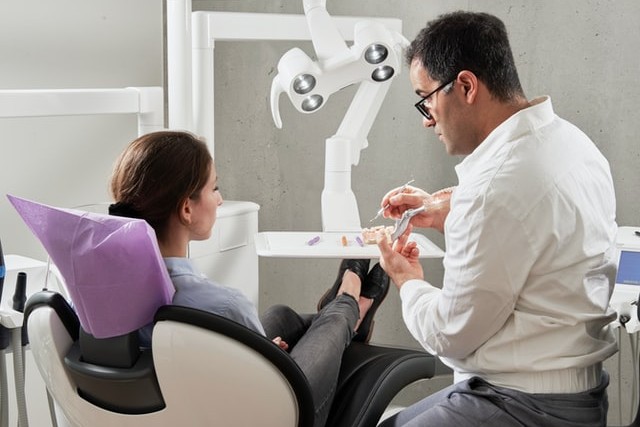
You may assume you should have a dental check-up every 6 months, but some people may not need to go so often and others may need more frequent checks.
Your dentist will suggest when you should have your next check-up based on how good your oral health is.
Content provided by NHS.uk
Find information and advice on health conditions, symptoms, healthy living, medicines and how to get help.

Published on Tue, 14 Dec 2021 10:59:59 GMT
Modified on Wed, 25 May 2022 15:43:23 GMT